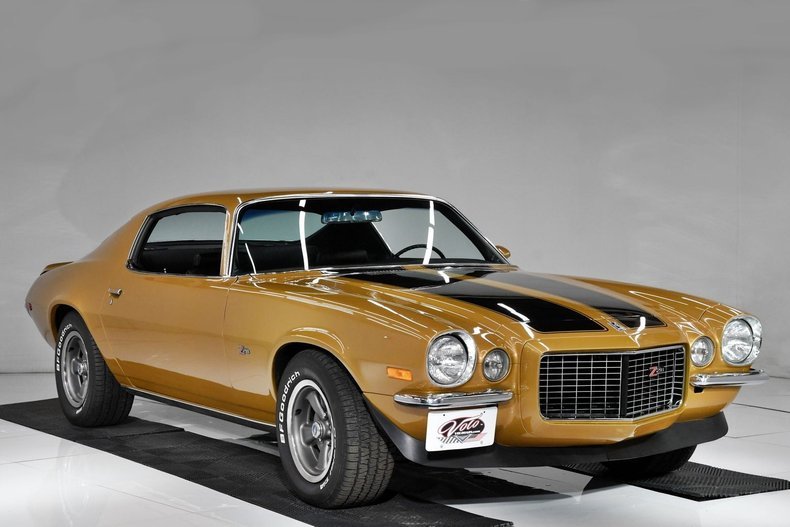
1970 Camaro RS vs 1979 Chevrolet Camaro Z28
The Chevrolet Camaro, a classic American muscle car, has captivated enthusiasts with its aggressive styling and powerful performance for decades. Produced by Chevrolet from 1970 to 1981, the second-generation Camaro marked a major shift in design and engineering compared to its predecessor. In this article, we will delve into a comparison between two iconic models from different eras of this generation: the 1970 Camaro RS and the 1979 Chevrolet Camaro Z28. Both models reflect the evolution of the Camaro line, with distinct changes in design, performance, and the overall driving experience.
Introduction to the Second-Generation Camaro
The second-generation Chevrolet Camaro was a major departure from the original model, which had been launched in 1967. Introduced in 1970, the second generation was longer, wider, and lower than the first. Unlike the first-generation model, the second-generation Camaro was no longer available in a convertible version. The Camaro’s focus had shifted toward being more of a driver’s car, offering a balance of performance and comfort. The car was built on a new platform that was refined to enhance handling and stability.
Initially, the Camaro was offered with high-performance options like the Z/28, which was renamed in 1972 to better reflect its enhanced capabilities. This new generation of the Camaro also came with improvements in handling, comfort, and noise isolation—elements that reflected the growing emphasis on a more refined driving experience. However, by the mid-1970s, the combination of fuel crises, rising insurance rates, and stricter emission standards would force some significant design changes over the years. The cars of the 1970s saw a shift from the more raw, performance-oriented machines of the early 1970s to more subdued, emissions-compliant vehicles in the late 1970s. Still, the Camaro remained a formidable presence in the pony car segment.
1970 Chevrolet Camaro RS: A Groundbreaking Introduction
When the 1970 Camaro RS was introduced, it marked the beginning of the second-generation model. The design was sleek and aggressive, with a fastback roofline and a signature front grille that set the Camaro apart from its competitors. The RS package, short for Rally Sport, was a performance-oriented trim that offered not only better aesthetics but also some notable mechanical upgrades.
Under the hood, the 1970 Camaro RS offered a variety of engine options. The base model came with a 250 cubic-inch (4.1 L) inline-six engine, but performance enthusiasts could opt for the Z/28 package, which featured the 350 cubic-inch (5.7 L) V8 engine. This engine, known for its high-revving capabilities, delivered 360 horsepower and 380 lb-ft of torque. The Z/28 was designed with motorsport in mind, specifically for the Trans-Am racing series. It came with a four-barrel Holley carburetor and a high-performance camshaft that provided excellent acceleration and top-end performance.
The 1970 Camaro also introduced several notable design elements. The interior featured new Strato bucket seats, designed for comfort and support during spirited driving. The dashboard layout was modern, with clear visibility of key gauges, and the exterior showcased new features such as the iconic four-round taillights, which were a hallmark of Chevrolet’s design language at the time. The introduction of the 1970 Camaro set the tone for the second-generation models, offering a blend of performance and style that would come to define the Camaro for years to come.
1979 Chevrolet Camaro Z28: A Refined Performance Machine
By 1979, the Camaro had undergone several significant changes, with the Z28 continuing to represent the pinnacle of performance within the Camaro lineup. The 1979 Camaro Z28 was a more refined version of its predecessors, reflecting the changes in the automotive industry during the late 1970s. While emissions standards and fuel efficiency concerns had forced some compromises in performance, the Z28 remained a formidable machine in terms of handling and driving excitement.
Under the hood, the 1979 Camaro Z28 featured the 350 cubic-inch (5.7 L) V8 engine, producing 185 horsepower and 280 lb-ft of torque. While these figures represented a significant drop in power compared to the 1970 model, the Z28 still offered an exhilarating driving experience. The engine was mated to either a manual or automatic transmission, with the four-speed manual being the preferred option for performance enthusiasts. The Z28 also featured upgraded suspension components, including heavier-duty springs and sway bars, which helped improve handling and cornering capabilities.
The design of the 1979 Camaro Z28 was more refined compared to the earlier models. The body was updated with a more aerodynamic profile, featuring new front and rear bumpers that helped improve the car’s overall appearance and performance. The introduction of the T-top roof option in 1978 allowed for a more open-air driving experience, which became increasingly popular among muscle car enthusiasts during the late 1970s.
Inside, the 1979 Camaro Z28 featured a more comfortable and modern interior, with improved sound insulation and better-quality materials. The dashboard was redesigned to accommodate the needs of the driver, and new technology such as power windows and air conditioning became available as options. While the Z28’s power output was lower than its 1970 predecessor, it was still a powerful and well-balanced vehicle that provided an engaging driving experience.
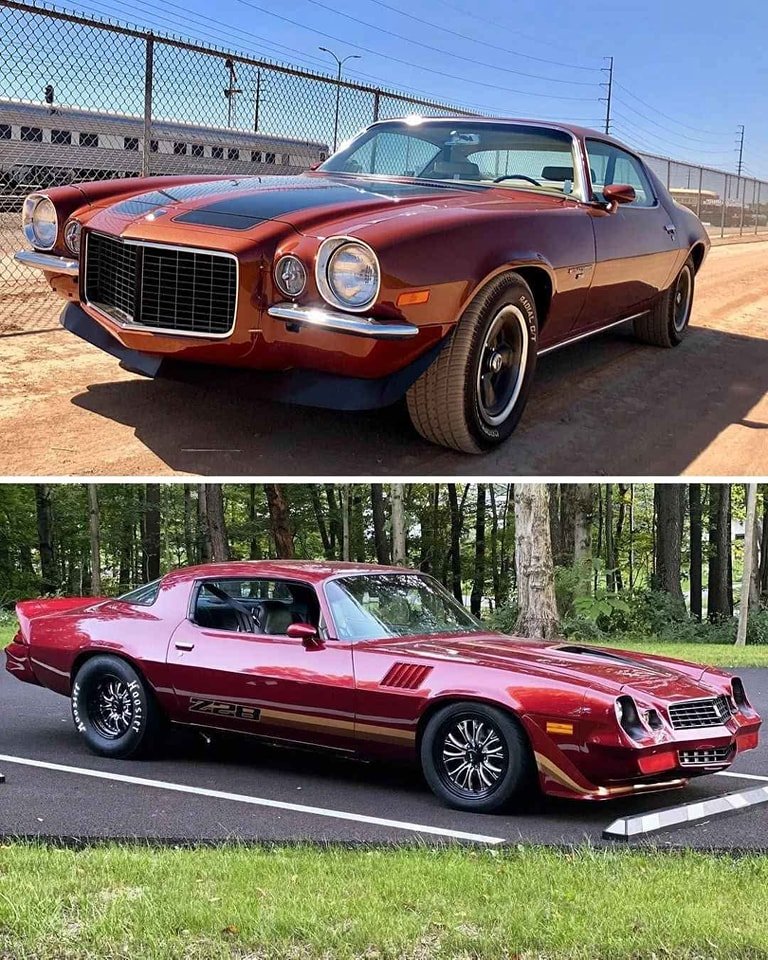
Performance Comparison: 1970 Camaro RS vs 1979 Chevrolet Camaro Z28
When comparing the performance of the 1970 Camaro RS and the 1979 Camaro Z28, there are notable differences that reflect the changes in the automotive landscape during the 1970s. The 1970 Camaro RS, with its 350 V8 engine, was a high-performance machine designed for speed and agility. The Z/28 package in the 1970 model was focused on track-ready performance, with a high-revving engine and a stiff suspension system that made it a formidable contender in the Trans-Am racing series. The Z/28 was built for enthusiasts who wanted a car that could deliver thrilling performance both on the street and the track.
In contrast, the 1979 Camaro Z28, while still powerful, had been affected by the changes in the automotive industry. Stricter emissions regulations and rising fuel prices had led to a reduction in power output, with the 350 V8 now producing 185 horsepower, a significant drop from the 360 horsepower of the 1970 model. Additionally, the introduction of fuel injection and other emission-reducing technologies meant that the 1979 Camaro Z28 was more refined but less raw in terms of performance. However, it still offered excellent handling and a smooth driving experience, thanks to its refined suspension system and upgraded components.
Design Evolution: 1970 vs 1979 Camaro
The design of the Camaro underwent significant changes between the 1970 and 1979 models. The 1970 Camaro was characterized by its sharp, angular styling and aggressive stance. The fastback roofline, wide stance, and aggressive front grille gave the Camaro a bold, muscular appearance. In comparison, the 1979 Camaro featured a more rounded and aerodynamic design, with smoother lines and refined details that improved both the car’s performance and aesthetic appeal. The front and rear bumpers were updated to meet new safety standards, and the car’s overall shape was more streamlined for better fuel efficiency.
Inside, both models offered comfortable interiors, but the 1979 Camaro benefited from years of refinement in terms of technology and materials. The 1979 Camaro’s cabin featured higher-quality materials and a more ergonomic layout, with the addition of new features like air conditioning and power windows. In contrast, the 1970 Camaro focused more on performance-oriented design, with the interior elements geared toward providing an engaging driving experience rather than luxury.
Conclusion: Which One is Right for You?
The choice between the 1970 Camaro RS and the 1979 Camaro Z28 ultimately depends on what you value most in a classic muscle car. If you’re looking for raw, unfiltered performance and a true representation of the golden age of American muscle cars, the 1970 Camaro RS is the ideal choice. With its high-revving engine, aggressive styling, and track-ready features, the 1970 Camaro RS is a true icon of its era.
On the other hand, if you prefer a more refined driving experience with modern comforts and a more balanced approach to performance, the 1979 Camaro Z28 may be the better option. While its power output is lower than the 1970 model, the 1979 Camaro Z28 offers excellent handling, improved comfort, and a more refined design that reflects the changing automotive landscape of the late 1970s.
Both models are remarkable in their own right and represent key moments in the history of the Chevrolet Camaro. Whether you choose the raw power of the 1970 Camaro RS or the refined performance of the 1979 Camaro Z28, you’re sure to own a piece of automotive history.