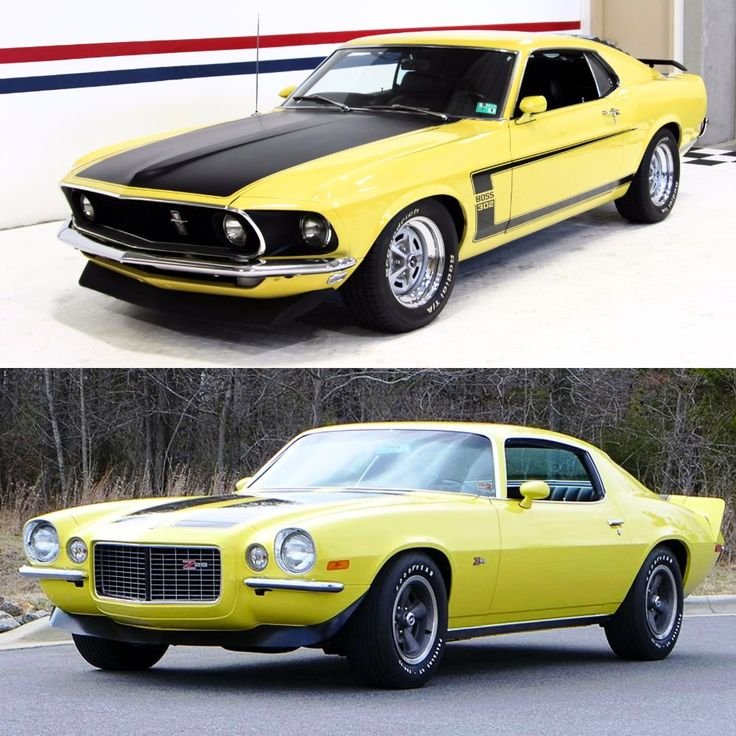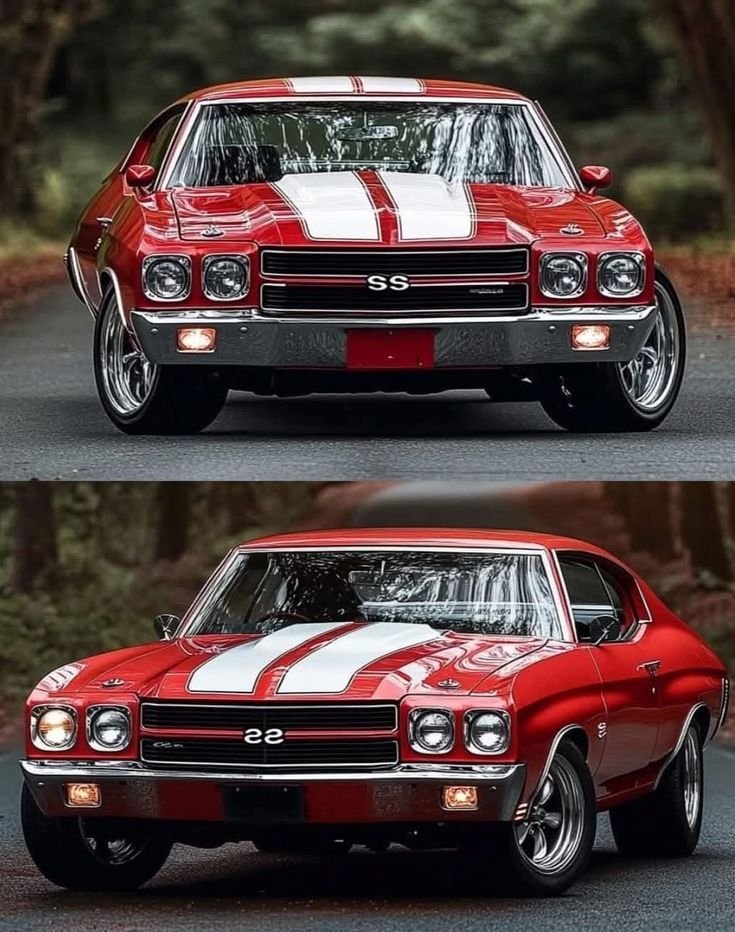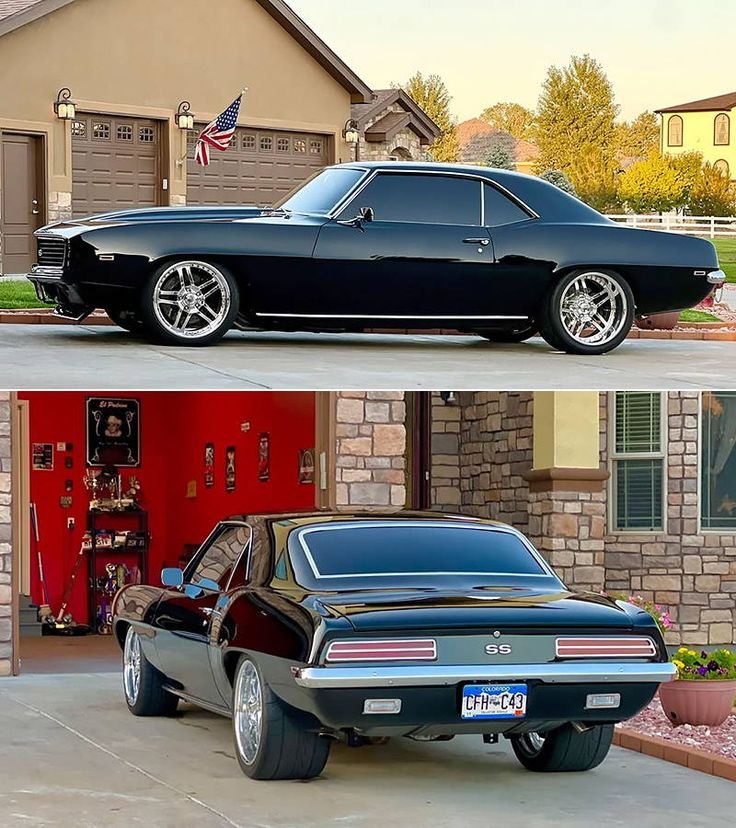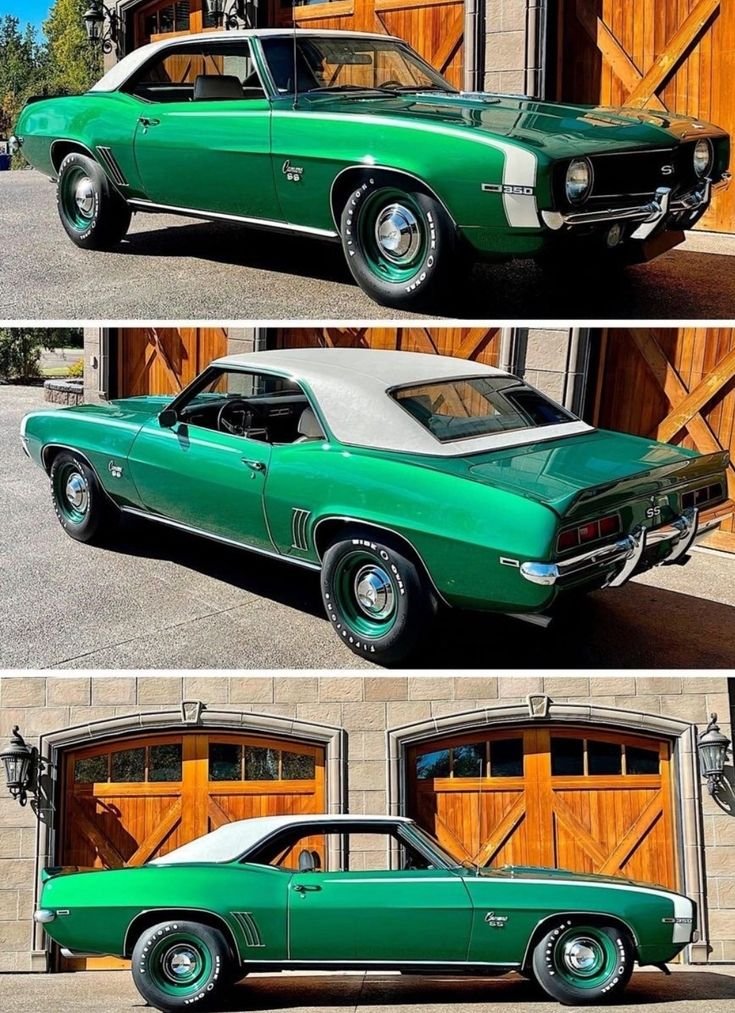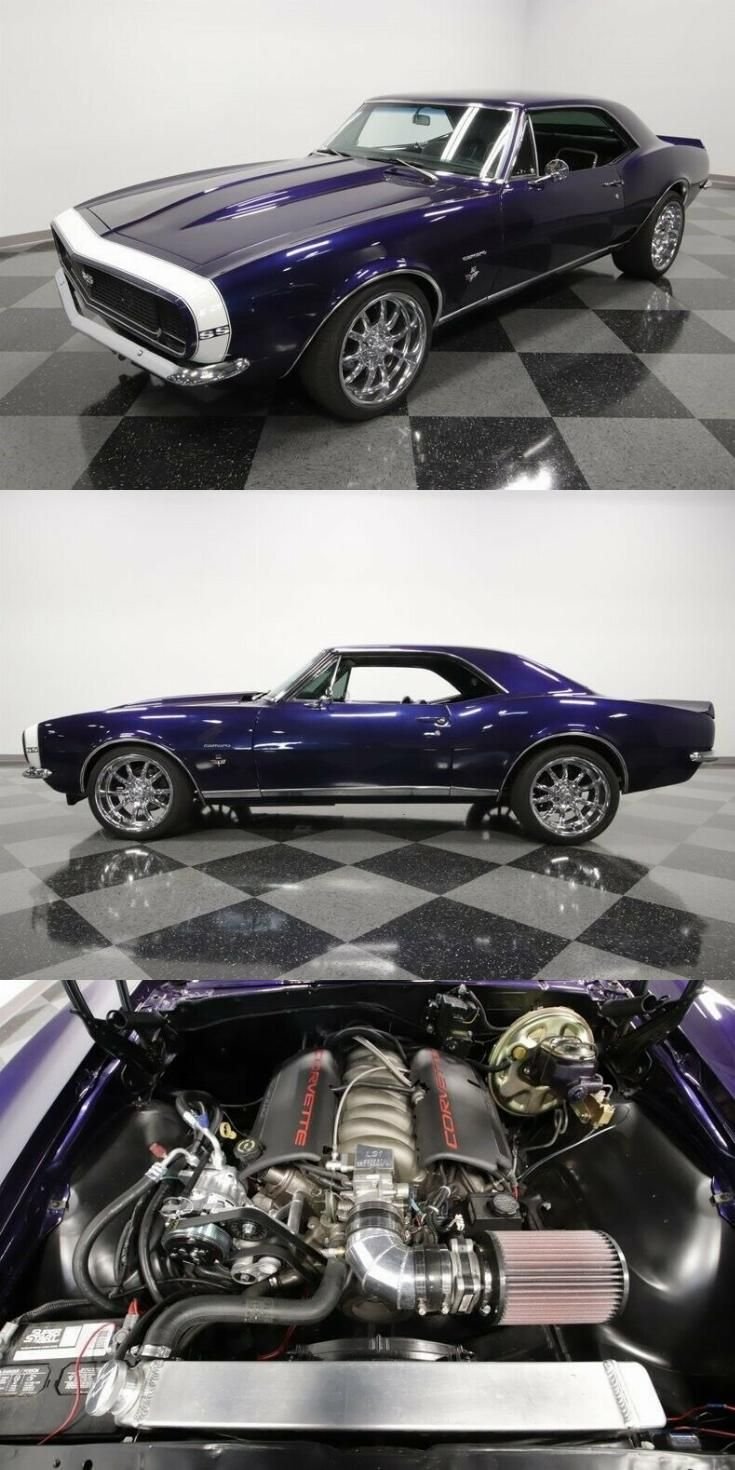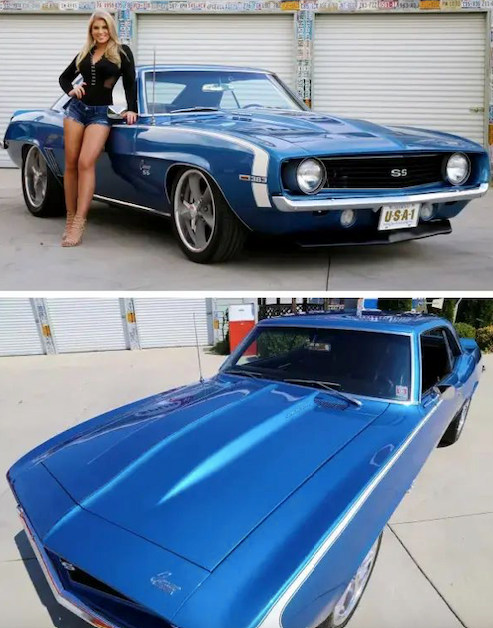
When you think of classic American muscle cars, the Chevrolet Camaro instantly comes to mind. The late 1960s were a golden age for performance, and both the 1968 and 1969 Camaro models played major roles in shaping that legacy. While they share the same first-generation platform, each year brought unique updates, styling tweaks, and unforgettable performance options that continue to captivate enthusiasts to this day.
🔧 1968 Chevrolet Camaro – Refinement and Power
The 1968 Camaro was a continuation of the wildly successful 1967 debut, but it featured several important improvements:
• Clean styling updates: The 1968 model eliminated the vent windows for a sleeker profile and introduced side marker lights (due to new federal safety regulations).
• Performance: Engine choices ranged from a 230 cu in inline-6 to the mighty 396 cu in V8 producing up to 375 hp in the SS and RS/SS packages.
• Comfort upgrades: A new Astro Ventilation system improved airflow inside the cabin, and optional hidden headlights in the RS trim added to its aggressive look.
The ’68 Camaro struck the perfect balance between raw performance and refined design.
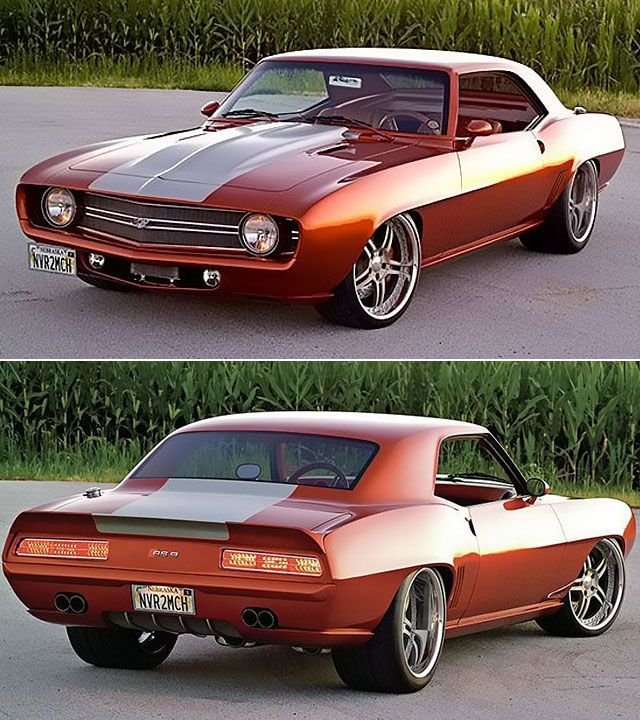
🏁 1969 Chevrolet Camaro – Aggression Redefined
The 1969 Camaro is arguably the most iconic of the first generation, thanks to its bold styling and track-ready variants:
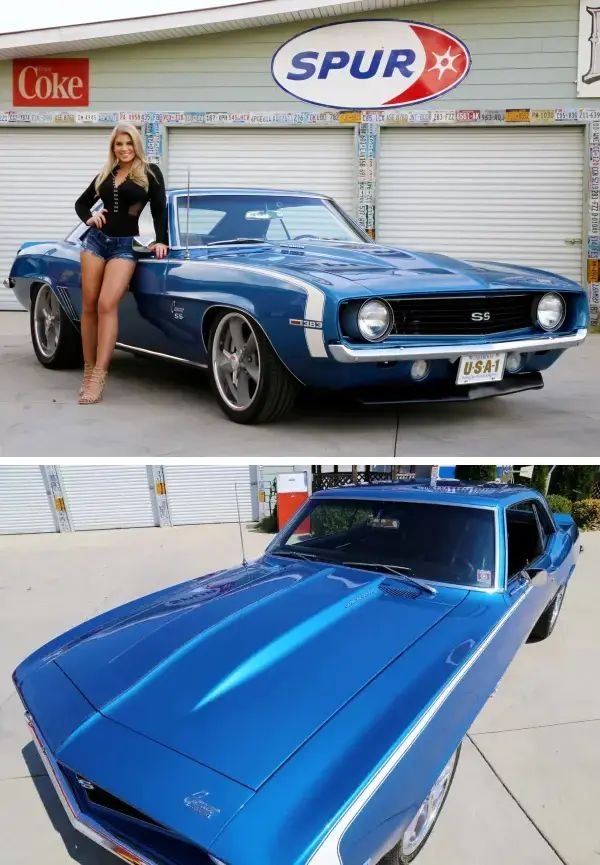
• Sharp, muscular body lines: The updated front grille, revised fenders, and more pronounced body creases gave it a lower, wider, more aggressive stance.
• Legendary trims: The COPO 427 and Z/28 became legends in their own right. The Z/28, with its high-revving 302 small-block V8, was built for Trans Am racing and became a favorite among purists.
• Enhanced performance: Powertrain options and suspension tuning were improved, making the ’69 one of the most well-balanced muscle cars of its era.
Whether stock or heavily modified, the ’69 Camaro remains a showstopper at every car meet and auction block.
💥 Camaro vs Camaro – Which One Wins?
Choosing between the 1968 and 1969 Camaro comes down to personal taste. The 1968 offers cleaner lines and a classic, understated charm, while the 1969 turns heads with its aggressive stance and racing pedigree. Both are icons. Both are collectibles. And both continue to fuel the dreams of gearheads around the world.